Greek Pita Bread Recipe – Authentic Homemade Flatbread Mastery
There’s something almost magical about fresh, warm pita bread straight from the oven. That delicate steam pocket that forms as it bakes, creating the perfect vessel for dips, sandwiches, and Mediterranean feasts. I still remember my first encounter with authentic Greek pita while traveling through Athens, where the aroma of freshly baked bread wafted through narrow streets, calling me into tiny bakeries where elderly women expertly shaped dough with practiced hands. That sensory experience inspired my journey to recreate this culinary treasure at home.
Unlike the dense, pre-packaged versions you find in supermarkets, authentic Greek pita is soft, pliable, and has that characteristic pocket perfect for stuffing with your favorite fillings. What makes Greek pita truly special is its simplicity – just flour, water, yeast, and salt transformed through the alchemy of baking into something extraordinary.
The Heart of Greek Cuisine
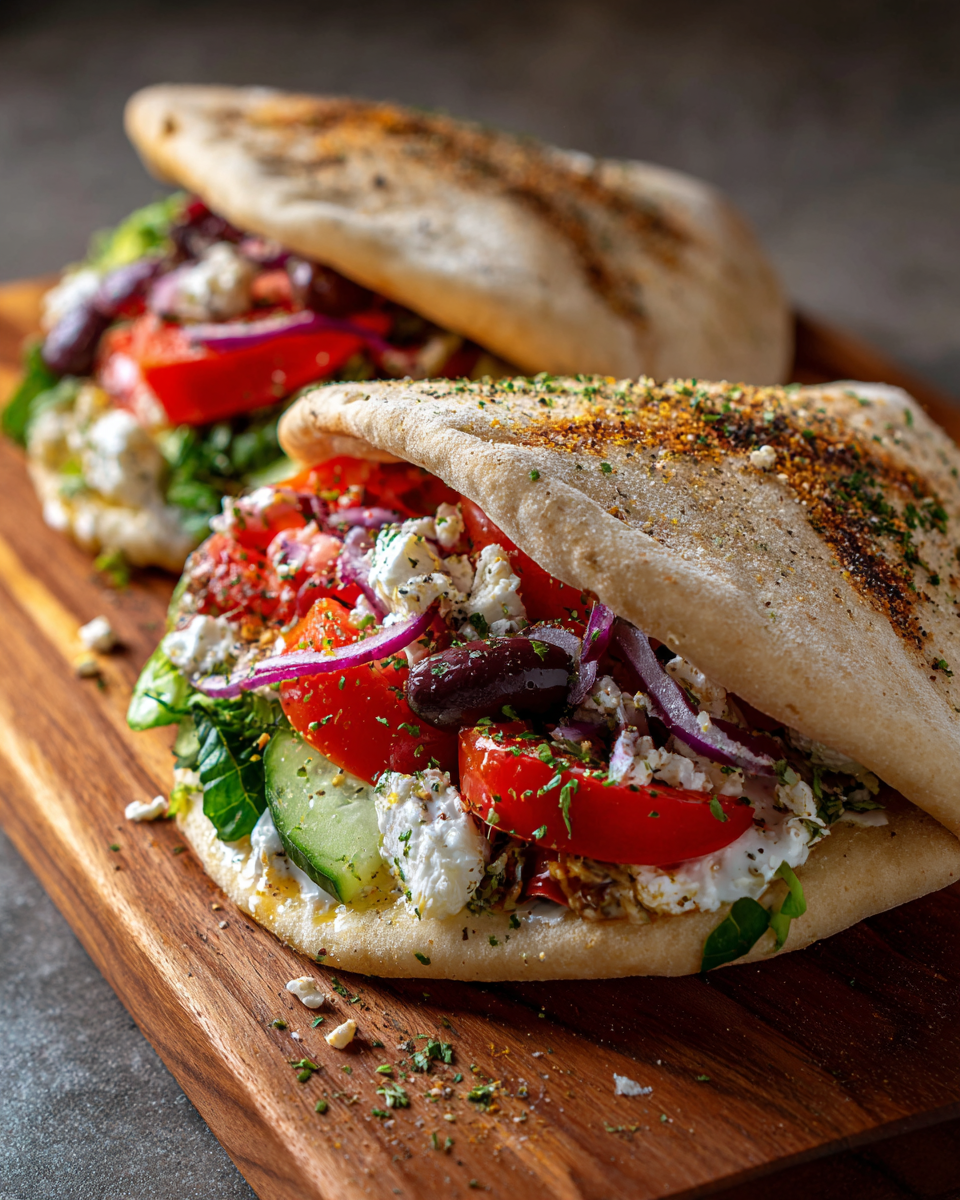
Greek pita serves as the foundation for so many beloved dishes in Mediterranean cuisine. From hearty gyros stuffed with seasoned meat and tzatziki to simple dips like hummus and melitzanosalata, this versatile bread elevates every meal. The secret lies in achieving that perfect balance between softness and structure, allowing it to hold generous fillings without falling apart.
If you’re looking for complementary Mediterranean dishes, our Easy Mediterranean Pasta Salad Recipe with Sun-Dried Tomato Dressing pairs beautifully with fresh pita bread. The vibrant flavors of the salad contrast wonderfully with the mild, comforting taste of warm pita.
Essential Ingredients for Perfect Greek Pita
The beauty of Greek pita lies in its simplicity. You only need a handful of basic ingredients, but their quality and handling make all the difference:
- Bread flour or all-purpose flour for optimal gluten development
- Active dry yeast for proper rising
- Warm water to activate the yeast
- Salt for flavor enhancement
- Olive oil for tenderness and flavor
What separates exceptional pita from mediocre versions is the technique. The dough needs proper kneading to develop gluten, adequate rising time for flavor development, and precise baking temperatures to create that signature pocket.
The Art of Pita Making
Creating perfect pita involves mastering several stages, each crucial to the final result:
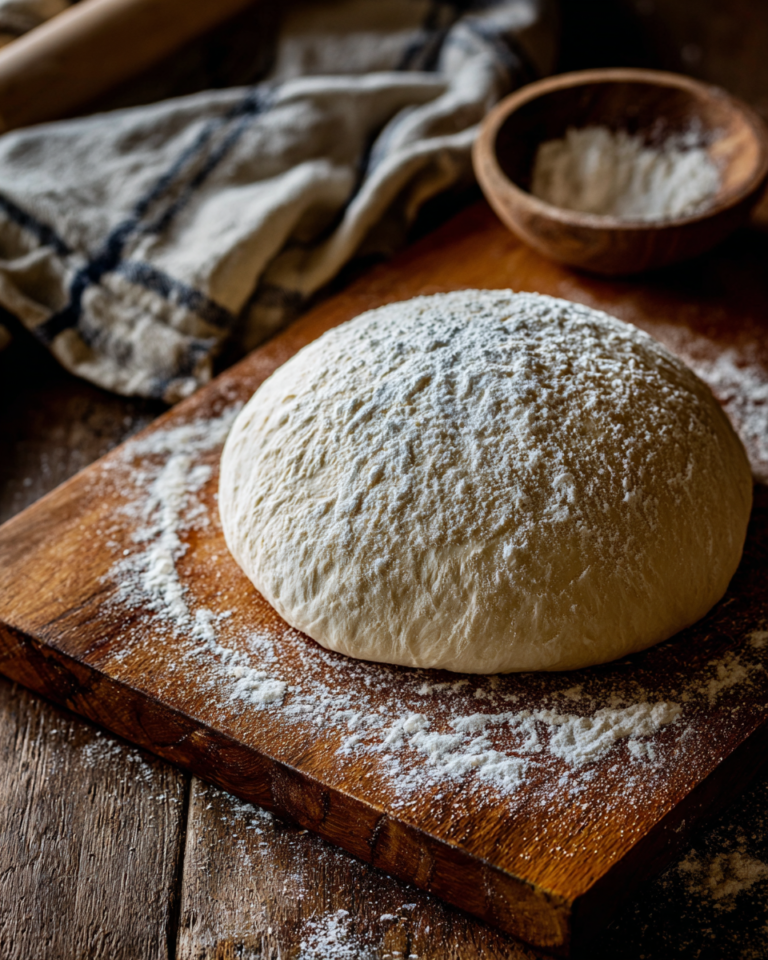
- Mixing and Kneading: Combine ingredients until a shaggy dough forms, then knead until smooth and elastic
- First Rise: Allow the dough to double in size, developing complex flavors
- Dividing and Shaping: Portion the dough into equal pieces and roll into perfect circles
- Second Rise: Let the shaped pitas rest briefly before baking
- Baking: High heat creates steam pockets while keeping the exterior soft
The baking process is particularly fascinating. As the pita hits the hot surface, the moisture in the dough turns to steam, forcing the layers of dough to separate and create that wonderful pocket. It’s this scientific magic that makes homemade pita so rewarding.
Perfect Pairings and Serving Suggestions
Freshly baked Greek pita transforms ordinary meals into extraordinary experiences. Here are some of my favorite ways to enjoy this versatile bread:
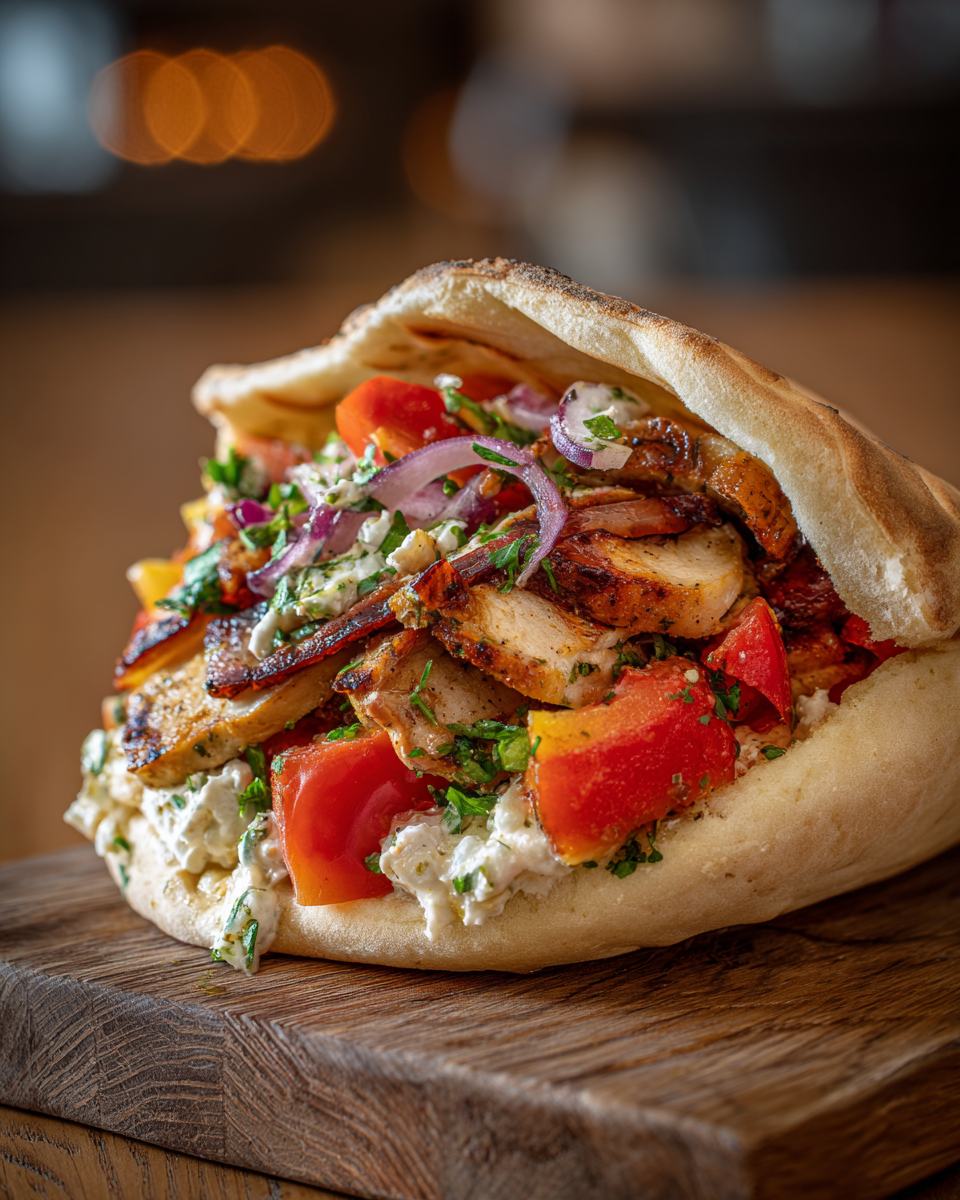
- Classic Gyros: Stuff with seasoned meat, tomatoes, onions, and tzatziki
- Dipping Bread: Serve warm with hummus, baba ghanoush, or olive oil
- Breakfast Pita: Fill with scrambled eggs and feta cheese
- Pita Chips: Cut into wedges, brush with olive oil, and bake until crispy
For a complete Greek-inspired meal, consider pairing your homemade pita with our Creamy Chicken Pesto Pasta: One-Pot Weeknight Wonder. The combination of fresh pita and creamy pasta creates a Mediterranean feast that will transport your taste buds straight to the Greek islands.
Common Mistakes and How to Avoid Them
Even experienced bakers can encounter challenges with pita bread. Here are the most common issues and solutions:
- No Pocket Formation: Usually caused by dough that’s too thick or oven temperature too low
- Tough Texture: Over-kneading or using too much flour during shaping
- Dense Crumb: Inadequate rising time or expired yeast
- Burnt Bottoms: Baking surface too hot or pitas too thin
Remember that practice makes perfect. Don’t be discouraged if your first batch isn’t perfect – each attempt teaches you more about the dough’s behavior and how it responds to different conditions.
Storage and Reheating Tips
Fresh pita is best enjoyed immediately, but if you have leftovers, proper storage maintains quality:
- Store cooled pitas in an airtight container at room temperature for 2-3 days
- For longer storage, freeze in freezer bags for up to 3 months
- Reheat frozen pitas directly in a toaster or warm oven
- Refresh day-old pitas by sprinkling with water and warming briefly in the oven
The beauty of homemade pita is that it freezes exceptionally well, allowing you to always have fresh bread on hand for quick meals.
Beyond Traditional Uses
While Greek pita shines in Mediterranean dishes, don’t limit your creativity. This versatile bread adapts beautifully to various cuisines:
- Use as personal pizza crusts for quick individual pizzas
- Create Middle Eastern-inspired breakfast wraps with eggs and spices
- Make mini sandwich sliders for parties and gatherings
- Use as edible bowls for salads and grain bowls
For another bread-based recipe that showcases creative baking techniques, check out our Quick Sourdough Discard Pizza Dough [No Yeast] – Fast & Easy Cast Iron Method. Both recipes demonstrate how simple ingredients can transform into extraordinary culinary creations.
The Joy of Homemade Bread
There’s an undeniable satisfaction in pulling freshly baked pita from your oven. The aroma fills your kitchen, the warm bread feels comforting in your hands, and that first bite confirms that homemade truly tastes better. Greek pita represents more than just bread – it’s a connection to tradition, a celebration of simple ingredients, and proof that some of life’s greatest pleasures come from the most basic preparations.
Whether you’re new to bread baking or an experienced enthusiast, Greek pita offers a rewarding project that yields delicious results. The process teaches patience, attention to detail, and appreciation for the transformation that occurs when basic ingredients meet skilled hands. Embrace the journey, enjoy the process, and savor every bite of your homemade Greek pita creation.
Greek Pita Bread
Ingredients
Equipment
Method
- Combine flour, yeast, warm water, salt, and olive oil in a mixing bowl until a shaggy dough forms
- Knead the dough on a floured surface until smooth and elastic, about 8-10 minutes
- Place dough in a greased bowl, cover, and let rise until doubled in size, about 1-2 hours
- Divide dough into 8 equal portions and roll each into a 6-inch circle
- Let shaped pitas rest for 15-20 minutes while preheating oven to 475°F (245°C)
- Bake pitas on a preheated baking stone or baking sheet for 4-5 minutes until puffed and lightly golden