The Slow-Cooker Trick That Keeps Chicken & Rice Creamy—Not Mushy
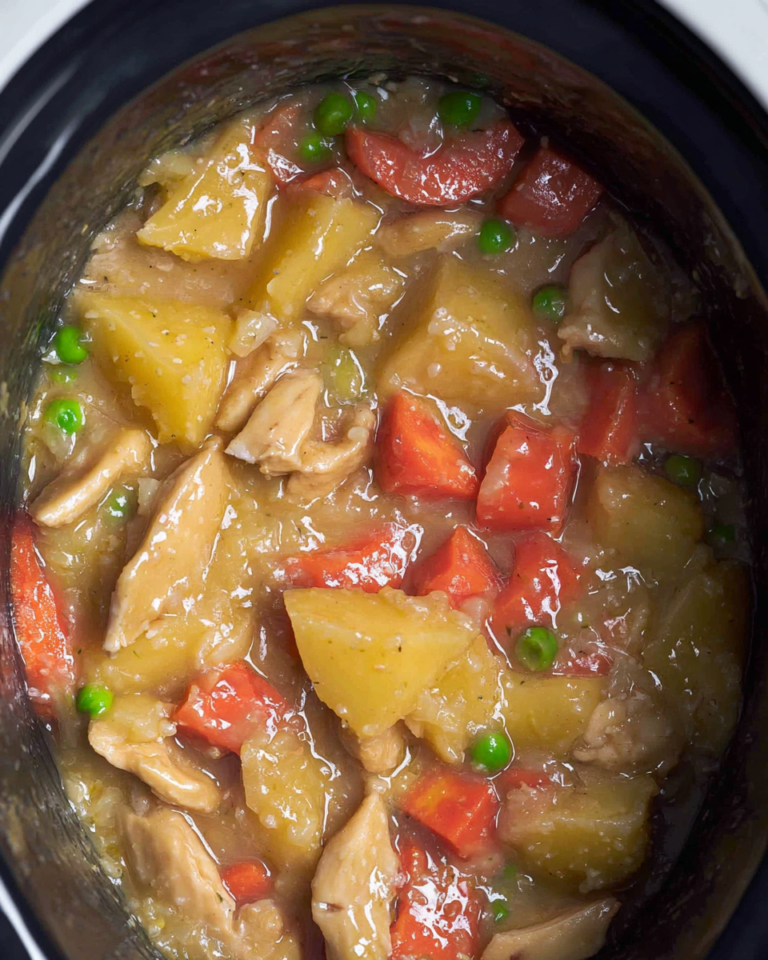
There’s nothing more disappointing than opening your slow cooker to find what should be creamy, comforting chicken and rice transformed into a mushy, overcooked mess. But what if I told you there’s a simple trick that guarantees perfect texture every single time? This technique revolutionizes slow-cooker chicken and rice, delivering restaurant-quality results with minimal effort.

Why Slow-Cooker Chicken and Rice Often Fails
The primary culprit behind mushy chicken and rice is timing. Rice absorbs liquid continuously, and in a slow cooker’s moist environment, it can quickly become overcooked. Traditional recipes that call for adding rice at the beginning inevitably lead to disappointment. The secret lies in strategic timing and proper preparation techniques that respect each ingredient’s cooking requirements.
The Golden Rule: Two-Stage Cooking
Our revolutionary approach involves cooking the chicken first, then adding the rice during the final hour. This two-stage method ensures the chicken becomes tender and flavorful while the rice maintains its perfect al dente texture. The result? Creamy without being mushy, comforting without being heavy.
Perfect Liquid Ratios for Creamy Results
The liquid-to-rice ratio is crucial. For most white rice varieties, you’ll want approximately 1.5 cups of liquid for every cup of rice. However, since the chicken releases juices during cooking, you may need to adjust accordingly. Start with less liquid than you think you need—you can always add more if needed, but you can’t take it away once the rice becomes soggy.
Choosing the Right Rice Variety
Not all rice is created equal when it comes to slow cooking. Long-grain varieties like basmati or jasmine tend to hold their shape better than short-grain rice. Brown rice requires longer cooking times but offers more nutritional benefits. For best results, consider our sausage and rice skillet techniques that translate well to slow-cooker adaptation.
Chicken Preparation Techniques
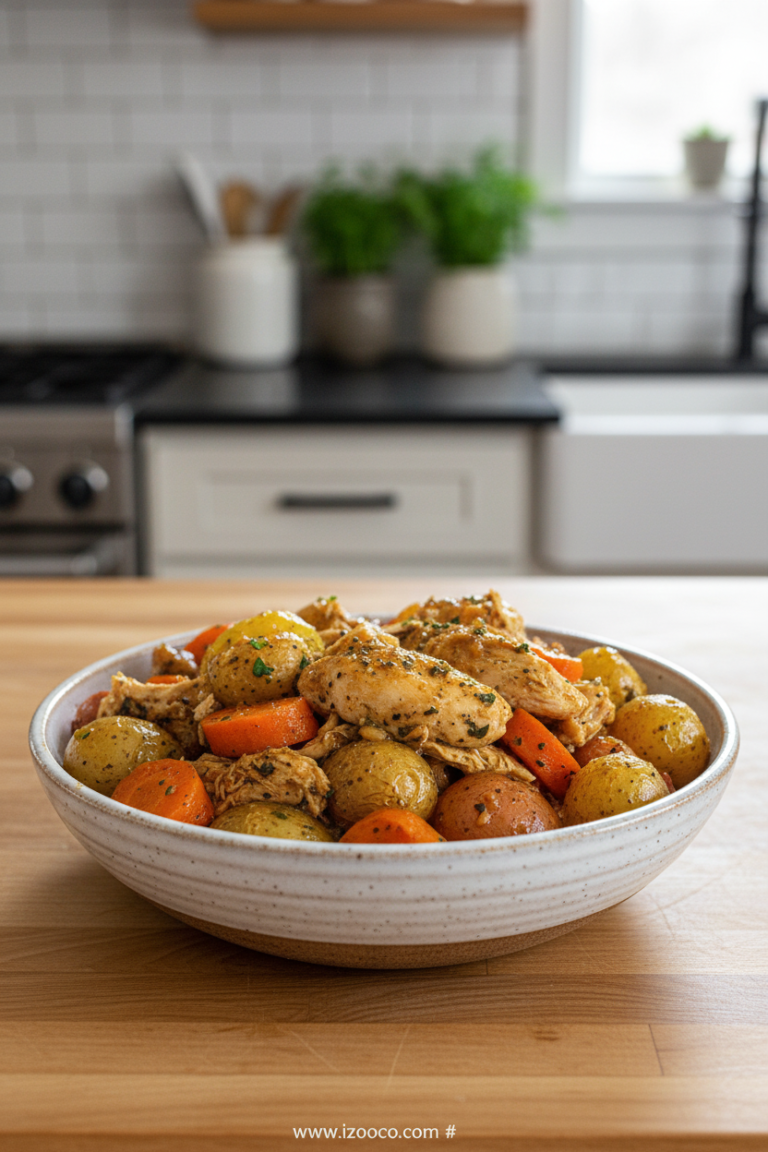
Proper chicken preparation sets the foundation for success. Bone-in, skin-on chicken thighs provide the most flavor and remain juicy during extended cooking. If using breast meat, consider larger cuts that won’t dry out. For complementary chicken techniques, check out our creamy oven-baked chicken thighs recipe for inspiration on flavor combinations.
The Magic Hour: When to Add Rice
Timing is everything. Add rice during the final 45-60 minutes of cooking on high, or 90-120 minutes on low. This gives the rice enough time to absorb flavors and cook through without becoming mushy. Stir gently once after adding rice to distribute evenly, then resist the temptation to stir again—each disturbance breaks rice grains and releases excess starch.
Flavor Building Strategies
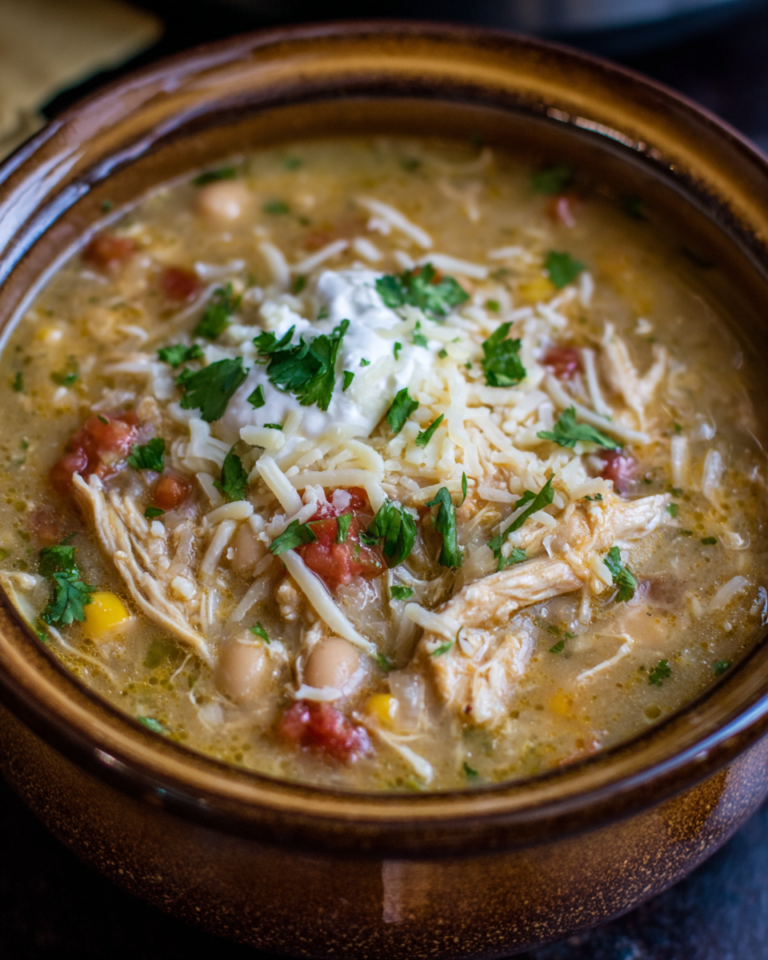
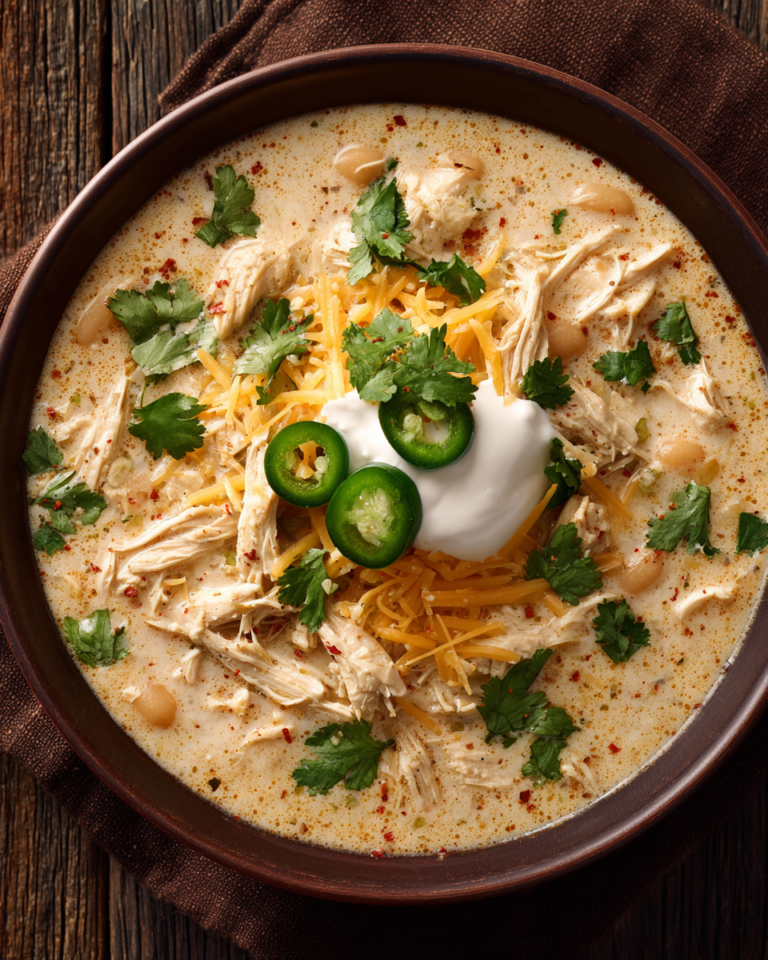
Building layers of flavor is essential for memorable chicken and rice. Start by sautéing aromatics like onions, garlic, and spices before adding to the slow cooker. Deglaze the pan with broth or wine to capture every bit of flavor. For additional slow-cooker inspiration, our creamy crockpot white chicken chili demonstrates excellent flavor-building techniques.
Troubleshooting Common Issues
Even with perfect technique, occasional adjustments may be needed. If your rice seems too wet, remove the lid during the final 15 minutes to allow excess moisture to evaporate. If too dry, add warm broth in small increments. Remember that rice continues to absorb liquid even after the heat is turned off, so slightly wetter is better than too dry.
Serving Suggestions and Variations
This technique opens up endless possibilities. Add vegetables during the final hour for bright, crisp texture. Experiment with different broth bases—chicken, vegetable, or even coconut milk for a Thai-inspired version. Fresh herbs added at serving time provide brightness that contrasts beautifully with the creamy base.
Storage and Reheating Tips
Proper storage maintains texture quality. Cool completely before refrigerating in airtight containers. When reheating, add a splash of broth or water to restore creaminess. The rice will have absorbed more liquid overnight, so gentle reheating with additional moisture brings it back to perfect consistency.
Why This Technique Works Every Time
This method succeeds because it respects each ingredient’s unique requirements. Chicken needs time to break down connective tissues and develop flavor. Rice needs precise timing and liquid control. By separating these processes, you achieve harmony rather than compromise. The result is chicken that falls apart tenderly and rice that’s creamy yet distinct.
Final Thoughts: Mastering Slow-Cooker Chicken and Rice
Mastering this technique transforms your slow cooker from a simple convenience appliance into a tool for creating genuinely impressive meals. The confidence that comes from knowing your chicken and rice will turn out perfectly creamy—never mushy—is priceless. Whether you’re feeding a family or meal prepping for the week, this method delivers consistent, delicious results that will make slow-cooker chicken and rice a regular in your rotation.
Perfect Slow-Cooker Chicken and Rice
Ingredients
Equipment
Method
- Season chicken thighs generously with salt and pepper
- Heat olive oil in a skillet and brown chicken thighs on both sides (about 3-4 minutes per side)
- Sauté diced onions and garlic in the same skillet until softened
- Place browned chicken thighs in slow cooker and add sautéed aromatics
- Pour 1 cup of chicken broth over chicken (reserve remaining broth)
- Cook on high for 3-4 hours or low for 5-6 hours until chicken is tender
- Remove chicken from slow cooker and set aside
- Add rice and remaining 0.5 cup broth to slow cooker
- Return chicken to slow cooker, stirring gently to distribute rice evenly
- Cook for an additional 45-60 minutes on high or 90-120 minutes on low
- Let stand for 10 minutes before serving, garnish with fresh herbs