Easy Homemade Pizza Dough Recipe for Beginners: Perfect Crust Every Time
There’s something magical about creating your own pizza dough from scratch. The moment you pull a perfectly golden, crisp-crusted pizza from the oven, you realize that restaurant-quality pizza is absolutely achievable in your own kitchen. This easy homemade pizza dough recipe is specifically designed for beginners who want to master the art of pizza making without the intimidation factor.
Whether you’re planning a Friday night pizza party or simply want to elevate your weeknight dinners, this recipe will become your go-to foundation for countless delicious creations. The beauty of homemade pizza dough lies in its versatility – you can customize it to your exact preferences and dietary needs.
Why Make Your Own Pizza Dough?
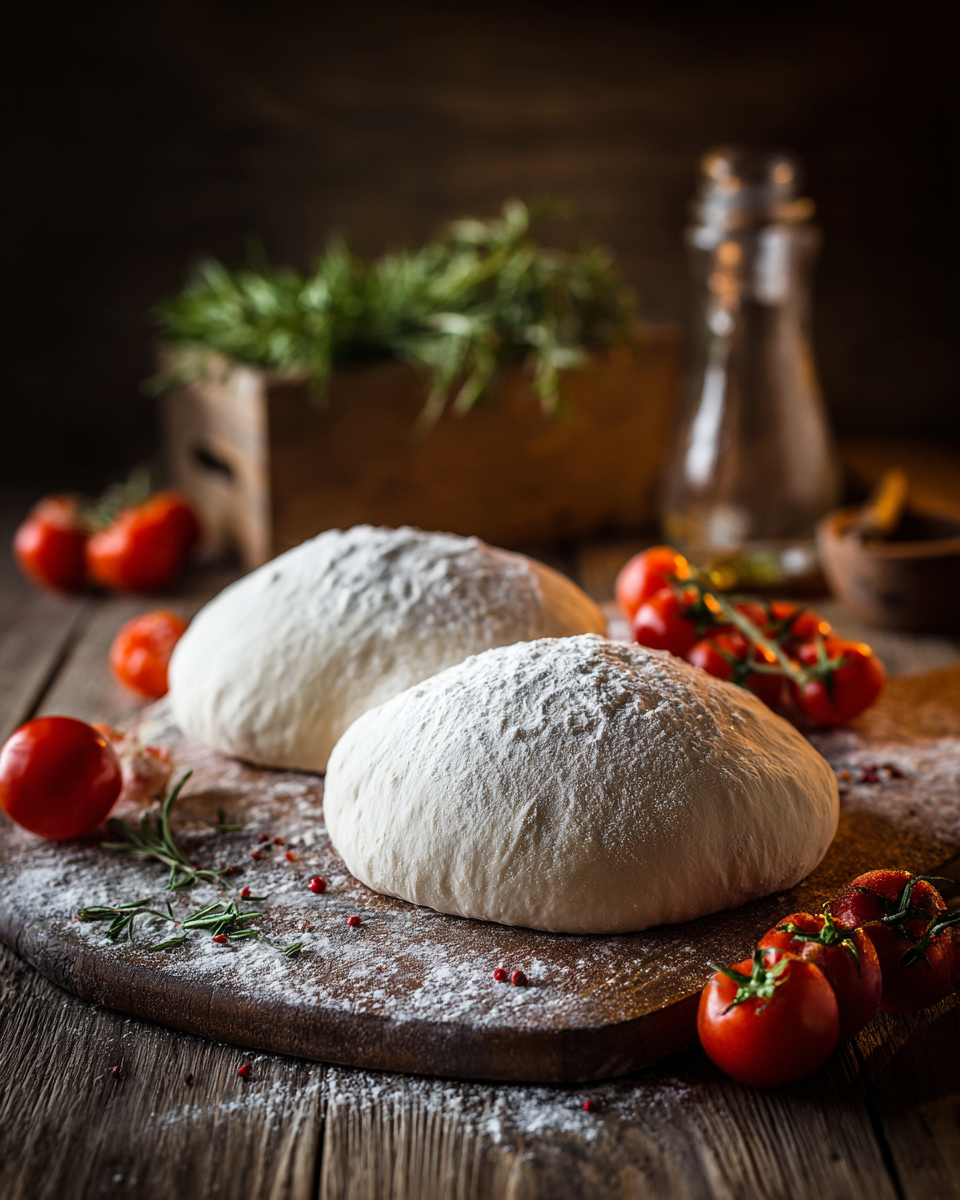
Making pizza dough from scratch might seem daunting at first, but the benefits are truly remarkable. First and foremost, you have complete control over the ingredients. No preservatives, no mystery additives – just simple, wholesome components that you can feel good about serving to your family. The cost savings are significant too; homemade dough costs a fraction of what you’d pay for pre-made options.
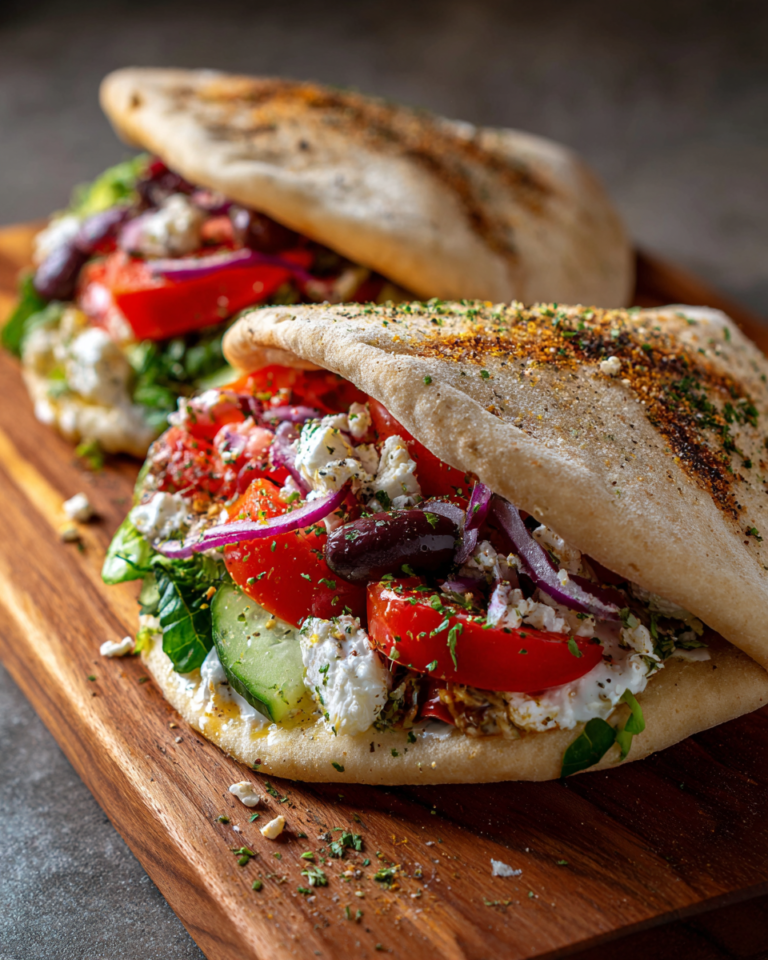
The flavor difference is night and day. Freshly made dough has a complexity and depth that store-bought versions simply can’t match. Plus, there’s the satisfaction of creating something beautiful with your own hands. If you enjoy the process of baking, you might want to explore our Greek pita bread recipe for another fun bread-making adventure.
Essential Equipment for Perfect Pizza Dough
You don’t need fancy equipment to make great pizza dough. A simple mixing bowl, measuring cups, and your hands are all you really need. However, a few tools can make the process even easier. A kitchen scale ensures perfect measurements every time, while a stand mixer with a dough hook attachment can save you some arm work. A pizza stone or baking steel will give you that professional crispy crust, but a regular baking sheet works perfectly fine too.
For those who love experimenting with different dough techniques, our same-day sourdough pizza dough recipe offers a wonderful alternative with that distinctive sourdough flavor profile.
Understanding the Science Behind Great Pizza Dough
The magic of pizza dough lies in the interaction between flour, water, yeast, and salt. Flour provides the structure, water activates the yeast and develops gluten, yeast creates the rise and flavor, while salt regulates fermentation and enhances taste. Getting these ratios right is key to perfect dough.
Temperature plays a crucial role too. Warmer environments accelerate yeast activity, while cooler temperatures slow it down. This gives you control over the fermentation process, allowing you to develop more complex flavors if you have the time to let the dough rest longer.
Step-by-Step Guide to Perfect Pizza Dough
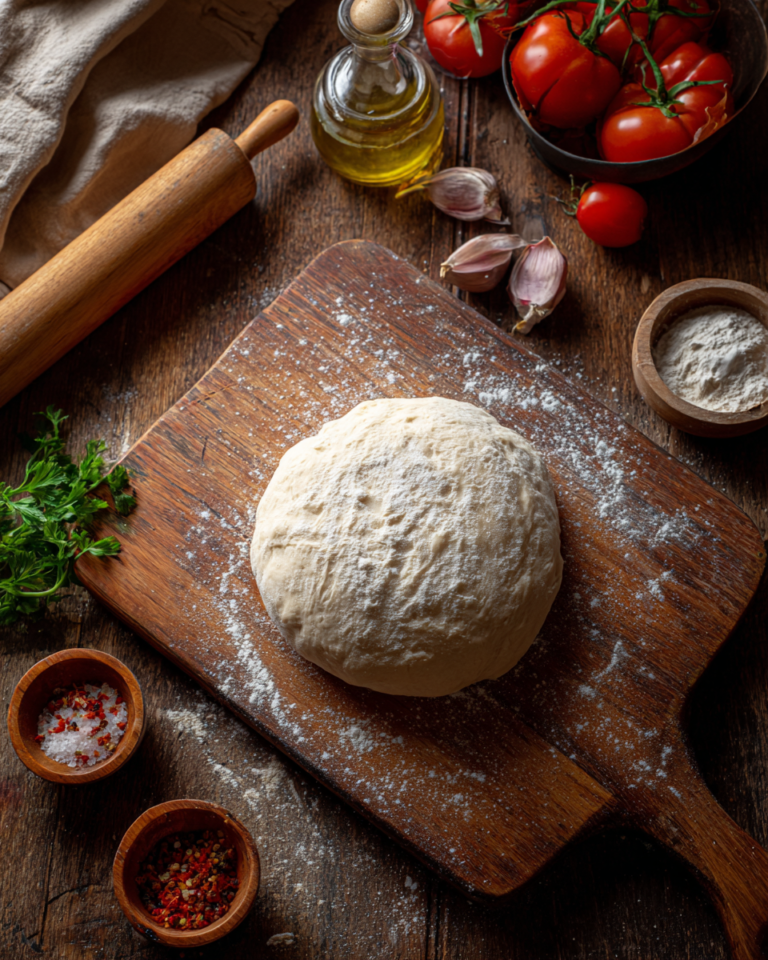
Start by combining your dry ingredients in a large mixing bowl. The flour should be fresh and at room temperature for best results. Create a well in the center where you’ll add your liquids. This method helps prevent lumps and ensures even distribution of ingredients.
When adding water, temperature matters. Lukewarm water (around 105-115°F) is ideal for activating yeast without killing it. If the water is too hot, it will destroy the yeast; too cold, and fermentation will be slow. The perfect temperature creates that beautiful rise we all crave.
Mixing and kneading develop the gluten structure that gives pizza dough its characteristic chew. Whether you’re doing this by hand or with a mixer, the goal is to achieve a smooth, elastic dough that springs back when gently pressed. This process typically takes about 8-10 minutes by hand or 5-7 minutes with a mixer.
The first rise, or bulk fermentation, is where flavor develops. Place your dough in a lightly oiled bowl, cover it with plastic wrap or a damp cloth, and let it rest in a warm, draft-free area. The dough should double in size, which usually takes 1-2 hours depending on room temperature.
After the first rise, gently punch down the dough to release excess gas. This step redistributes the yeast and prepares the dough for shaping. Divide the dough into portions if making multiple pizzas, then let it rest for another 15-30 minutes before shaping.
Shaping and Baking Techniques
Shaping pizza dough is an art that improves with practice. Start by pressing the dough into a disc shape with your fingertips, working from the center outward. Avoid using a rolling pin if possible, as it can compress the air bubbles that create that light, airy crust texture.
For a thin crust, stretch the dough gently, letting gravity help you. For a thicker crust, leave more volume in the center. The edges should be slightly thicker to create that beautiful crust rim. If you’re making multiple pizzas, our tri-colored rotini pasta salad makes a perfect side dish for your pizza party.
Baking temperature is crucial for perfect pizza. A hot oven (450-500°F) creates that quick rise and crispy crust. If using a pizza stone, preheat it for at least 30 minutes. The high heat creates steam from the dough’s moisture, resulting in that beautiful oven spring.
Troubleshooting Common Pizza Dough Issues
Even experienced bakers encounter challenges with pizza dough. If your dough isn’t rising, check your yeast expiration date and water temperature. Old yeast or water that’s too hot/cold can inhibit fermentation. If the dough is too sticky, add flour gradually; if too dry, add water one tablespoon at a time.
Tough dough usually means over-kneading or using too much flour. Remember that dough should be slightly tacky but not sticky. If your crust isn’t crispy enough, your oven might not be hot enough, or you might be over-topping your pizza with heavy ingredients.
Creative Variations and Flavor Enhancements
Once you’ve mastered the basic dough, the creative possibilities are endless. Try adding herbs like oregano, basil, or rosemary to the dough for extra flavor. Garlic powder, grated Parmesan, or even a touch of honey can transform your crust into something truly special.
For whole wheat pizza dough, substitute up to half of the all-purpose flour with whole wheat flour. The result is a heartier, more nutritious crust with a wonderful nutty flavor. If you enjoy experimenting with different bread types, our homemade crumb topping recipe offers another delicious baking project.
Gluten-free pizza dough is another popular variation. While it requires different flour blends and techniques, the result can be just as satisfying as traditional dough. The key is using a blend of gluten-free flours and adding xanthan gum to mimic the elasticity of gluten.
Storage and Freezing Tips
Fresh pizza dough can be refrigerated for up to 3 days or frozen for 3 months. To freeze, shape the dough into balls, wrap tightly in plastic wrap, and place in freezer bags. Thaw overnight in the refrigerator before using. The cold fermentation actually enhances flavor development.
For busy weeknights, having pre-made dough in the freezer means pizza can be on the table in under 30 minutes. Pair your homemade pizza with a simple salad or our easy Mediterranean pasta salad for a complete meal that feels special without requiring hours in the kitchen.
Final Thoughts on Mastering Pizza Dough
Making perfect pizza dough is a skill that improves with practice. Don’t be discouraged if your first attempt isn’t restaurant-quality. Each batch teaches you something new about the process. The most important ingredients are patience and willingness to experiment.
Remember that great pizza starts with great dough. The foundation you create determines the quality of your final product. With this easy recipe and the tips we’ve shared, you’re well on your way to creating pizzas that will impress family and friends alike. The satisfaction of serving pizza made completely from scratch is worth every minute of effort.
Whether you prefer classic Margherita, loaded meat lovers, or creative vegetarian combinations, your homemade dough will elevate any topping combination. The journey to pizza perfection begins with that first batch of dough – and with this guide, you have everything you need to succeed.