Best Tuscan White Bean Soup Recipe – Creamy Vegan Comfort Food
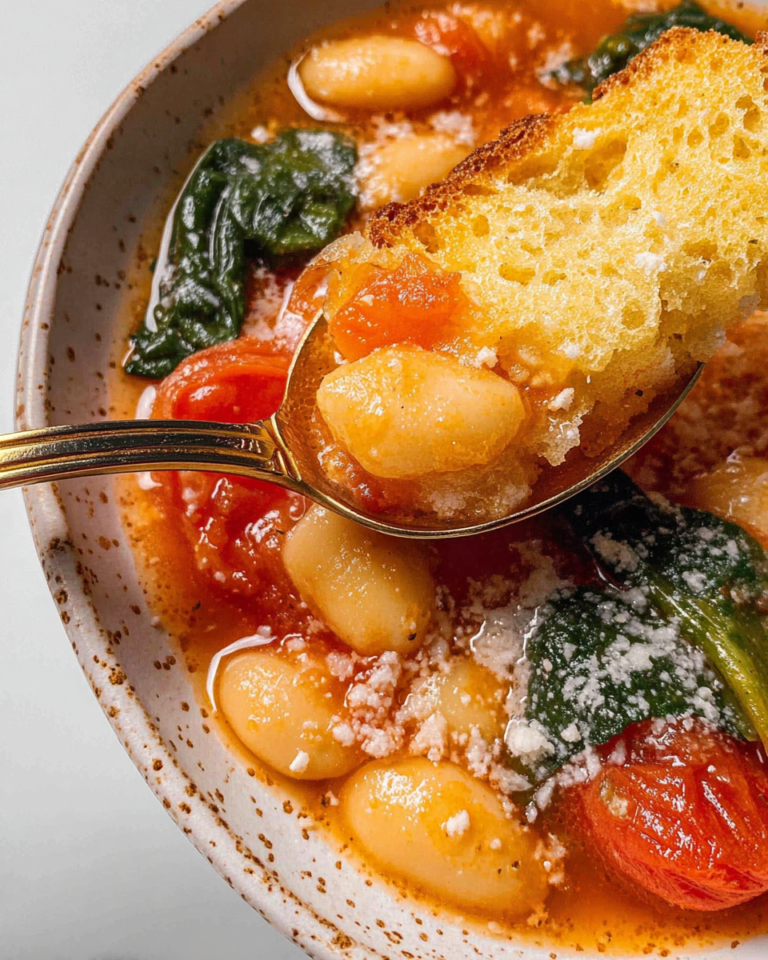
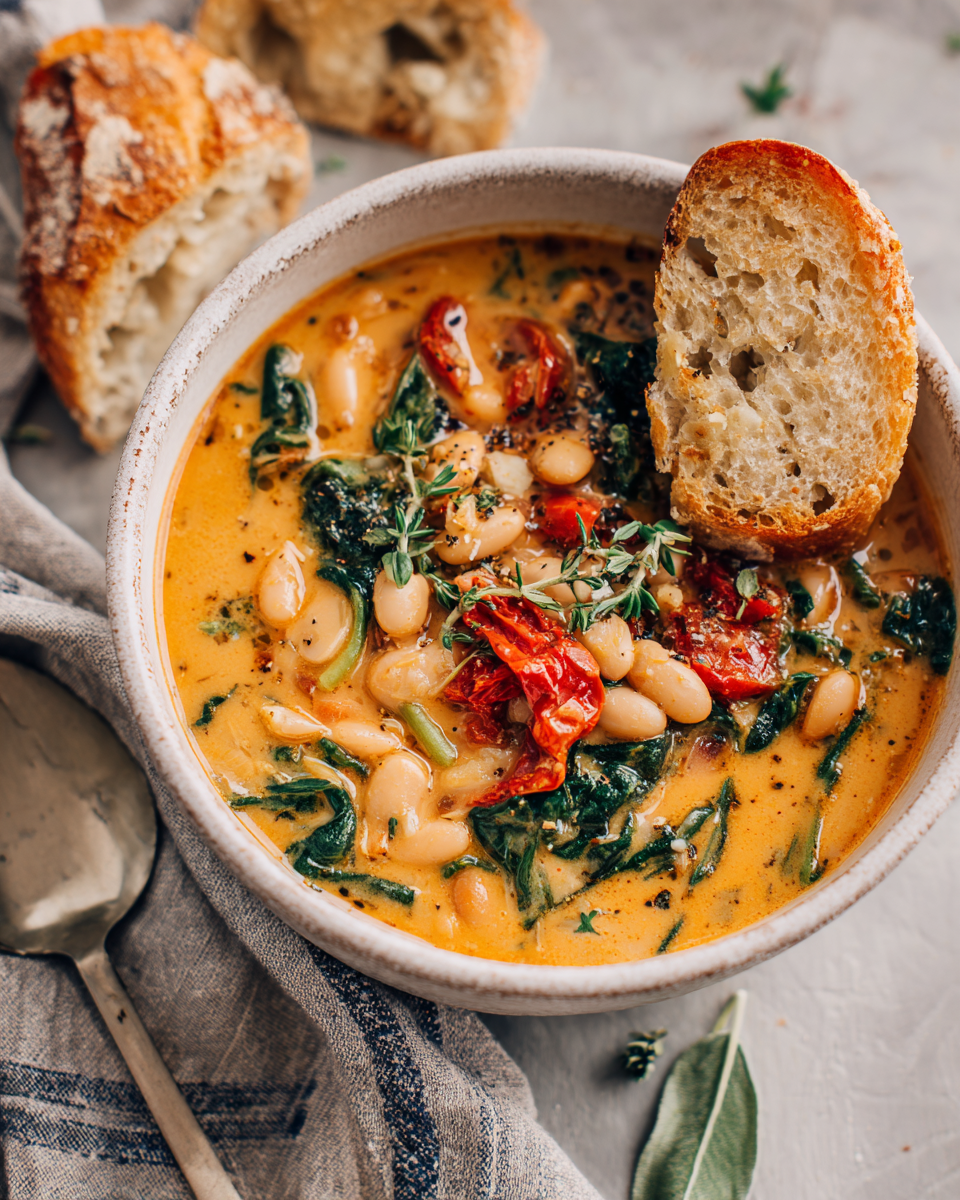
There’s something truly magical about a bowl of soup that whispers comfort with every spoonful. Picture this: a chilly evening, the windows fogged up from the steam rising from your pot, and the aroma of garlic, herbs, and creamy white beans filling your kitchen. This Tuscan white bean soup isn’t just food—it’s a warm embrace in bowl form.
What makes this recipe so special is its perfect balance of simplicity and depth. You start with humble ingredients—cannellini beans, everyday vegetables, basic herbs—and through a few careful steps, you transform them into something extraordinary. The process itself feels like a meditation, each step building upon the last to create layers of flavor that will have you savoring every bite.
Why This Tuscan White Bean Soup Will Become Your Go-To Recipe
This recipe has earned its spot in my regular rotation for so many reasons. First, it’s incredibly versatile—perfect for meal prepping on Sunday to enjoy throughout the week, or for those nights when you need something nourishing on the table quickly. The soup freezes beautifully, so you can make a big batch and have cozy lunches ready whenever the craving strikes.
Nutritionally, it’s a powerhouse. Cannellini beans provide plant-based protein and fiber, while the kale adds vitamins and minerals. The olive oil gives you healthy fats, and all those vegetables contribute to your daily nutrient intake. It’s one of those meals that makes you feel genuinely good after eating it—satisfied but not heavy, nourished from the inside out.
Ingredients That Make the Magic Happen
The beauty of this soup lies in how ordinary ingredients come together to create extraordinary flavor. Cannellini beans form the heart of the dish—their creamy texture and mild flavor make them perfect for soups. When you puree some of them and mix them back in, they create this luxurious, velvety base that feels indulgent but is completely wholesome.
That holy trinity of onion, carrot, and celery might seem basic, but when you take the time to let them soften and develop those golden edges, they build a flavor foundation that carries through the entire dish. The browning isn’t just for color—it’s where the deep, complex flavors begin to develop.
Fresh garlic adds that unmistakable aromatic quality, while the white wine (a splash of pinot grigio works beautifully) deglazes the pan and adds a subtle brightness. Tomato paste might seem like a small addition, but it brings umami depth and a touch of acidity that balances the creaminess of the beans.
The herb combination—Italian seasoning, bay leaves, thyme, and oregano—creates that classic Tuscan flavor profile. And that hint of red pepper flakes? It’s just enough to add warmth without overwhelming heat, making each spoonful interesting and layered.
Step-by-Step Guide to Soup Perfection
The process of making this soup feels almost therapeutic. You start by gently sautéing the onions until they just begin to caramelize at the edges. This step requires patience—don’t rush it! Those golden browned bits are flavor gold. When you add the garlic, carrots, and celery, the kitchen starts to smell like heaven.
Watching the vegetables soften and develop color over those ten minutes is part of the magic. Then comes the white wine—that sizzle as it hits the hot pan, the way it deglazes all those flavorful bits stuck to the bottom. As it reduces, the alcohol cooks off, leaving behind this wonderful acidic brightness that will balance the richness of the beans.
Adding everything else except the kale feels like the grand finale before the simmering begins. The broth, tomato paste, seasonings—they all come together in the pot. That initial boil and subsequent simmer allows the flavors to meld and deepen. Those fifteen minutes might test your patience as the delicious aroma fills your home, but trust me—it’s worth the wait.
The blending step is what takes this soup from good to incredible. Removing some of the soup, blending it until smooth, and stirring it back in creates this creamy texture that feels rich and luxurious. If you prefer a chunkier soup, you can skip this step, but I highly recommend trying it at least once—the texture transformation is remarkable.
Finally, the kale gets its moment. Watching those deep green leaves wilt into the simmering soup is so satisfying. They add color, texture, and nutrition, becoming tender but still maintaining some structure.
The Art of Customization
One of the joys of soup-making is how adaptable recipes can be. If you don’t have kale, spinach works beautifully—just add it at the very end since it cooks much faster. Want more vegetables? Throw in some diced potatoes or zucchini along with the carrots and celery. If you’re not vegan, a bit of parmesan rind added during simmering adds incredible depth.
The broth amount is your canvas for texture. Starting with 2 1/2 cups gives you a thick, stew-like consistency perfect for dipping bread. If you prefer a more traditional soup texture, add the full 4 cups. You’re the artist here—adjust until it feels right to you.
Seasoning is personal too. That final taste and adjust step is crucial. Sometimes I find it needs an extra pinch of salt, other times a squeeze of lemon juice brightens everything up beautifully. Don’t be afraid to make it your own.
Serving Suggestions That Elevate the Experience
This Tuscan white bean soup shines on its own, but a few thoughtful additions can turn it into a memorable meal. Crusty bread is non-negotious—whether it’s a rustic baguette, gluten-free artisan bread, or even garlic toast, having something to sop up every last bit of soup is essential.
A simple green salad with a lemony vinaigrette provides a fresh contrast to the warm, creamy soup. If you’re feeling fancy, a drizzle of good quality olive oil over the top just before serving adds fruity notes and visual appeal. A sprinkle of fresh herbs—parsley or basil—brings brightness.
For wine pairings, this soup loves a crisp white like Sauvignon Blanc or Pinot Grigio. The acidity cuts through the richness beautifully. If you prefer red, a light-bodied Pinot Noir works surprisingly well.
Why This Soup Nourishes More Than Just Your Body
There’s something about making soup that feels fundamentally nurturing. The slow building of flavors, the way the kitchen fills with comforting aromas, the act of creating something warm and nourishing from simple ingredients—it’s cooking as self-care. This Tuscan white bean soup embodies that feeling perfectly.
It’s the kind of meal that brings people together, that comforts on difficult days, that celebrates simple pleasures. Whether you’re cooking for yourself after a long day or preparing a meal for loved ones, this soup delivers satisfaction on every level. It’s humble yet sophisticated, simple yet complex, nourishing yet indulgent.
The next time you need a dose of comfort, I hope you’ll give this recipe a try. Let the process soothe you, let the aromas uplift you, and let that first spoonful remind you of the simple joy of good food made with love.
Best Tuscan White Bean Soup
Ingredients
Equipment
Method
- Saute the finely chopped onion in a large pot or dutch oven with the oil
- Once it starts to brown slightly, add in the garlic, celery and carrot. Saute an additional 10 or so minutes to let the veggies soften and brown slightly
- Add in the white wine and saute until most of the liquid has evaporated, about 5 minutes
- Add in all remaining ingredients except for the kale, and stir well
- Bring to a boil, then cover and reduce heat to low. Let simmer for 15 minutes
- Discard the bay leaves, then transfer about 2 1/2 – 3 cups worth of the soup to a blender. Blend until smooth
- Transfer back to the pot and stir well to combine. If it’s too thick, add in more broth until it reaches your desired consistency
- Add in the chopped kale and let simmer for a few minutes to allow the kale to wilt. Taste and adjust flavors as desired
- Serve warm as is or with a hearty bread on the side