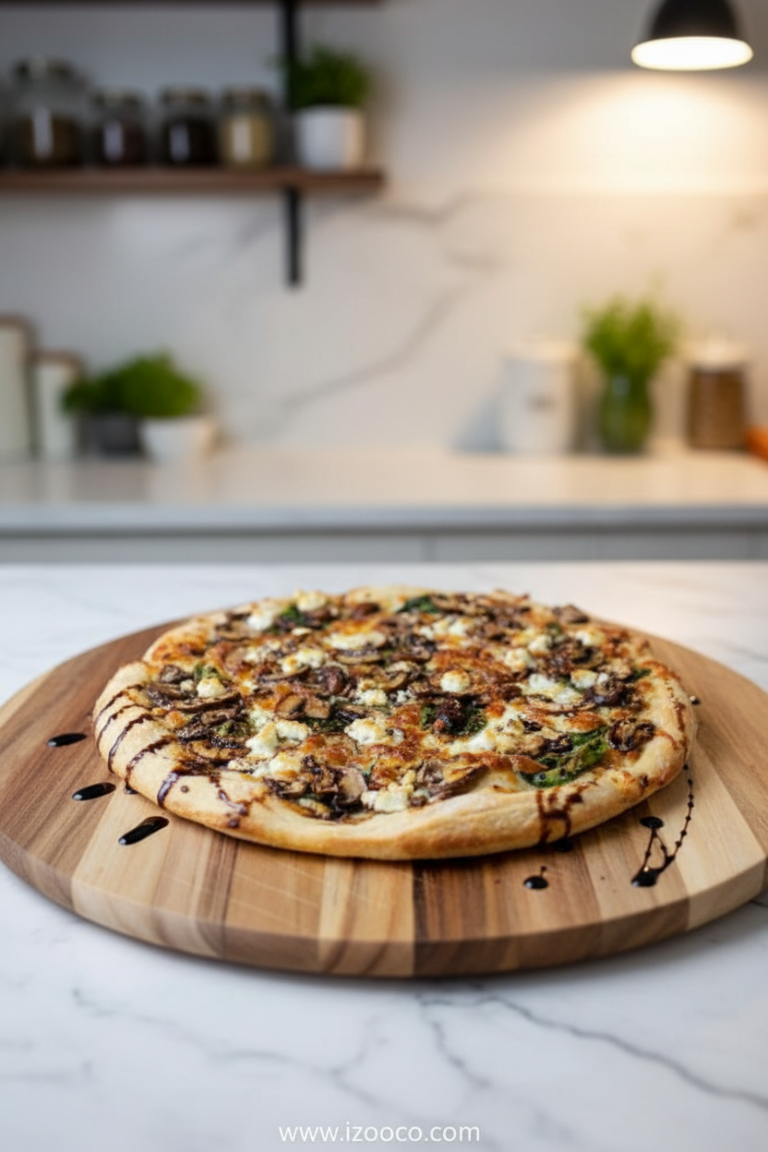
Easy Homemade Pizza Dough Recipe for Beginners: Perfect Crust Every Time
There’s something magical about homemade pizza dough. The aroma of yeast blooming, the satisfaction of watching simple ingredients transform into a silky, elastic ball, and the pride of creating restaurant-quality pizza right in your own kitchen. If you’ve ever felt intimidated by the thought of making pizza dough from scratch, this easy homemade pizza dough recipe is here to change your mind forever.
Making pizza dough is one of those foundational kitchen skills that pays dividends for years to come. Once you master this basic recipe, you’ll find yourself reaching for flour and yeast instead of calling for delivery. Not only will you save money, but you’ll also have complete control over your ingredients, ensuring a healthier, tastier pizza that’s exactly to your liking.
Why Homemade Pizza Dough is Worth the Effort
You might wonder why bother making pizza dough when pre-made options are readily available. The answer lies in three key benefits that homemade dough provides. First, the flavor difference is astronomical – fresh yeast, quality flour, and careful fermentation create a complexity that store-bought dough simply can’t match. Second, the texture is infinitely customizable – want a crispy thin crust or a chewy Neapolitan-style base? You’re in control. Third, the satisfaction of creating something from basic ingredients brings a level of pride that enhances the entire dining experience.
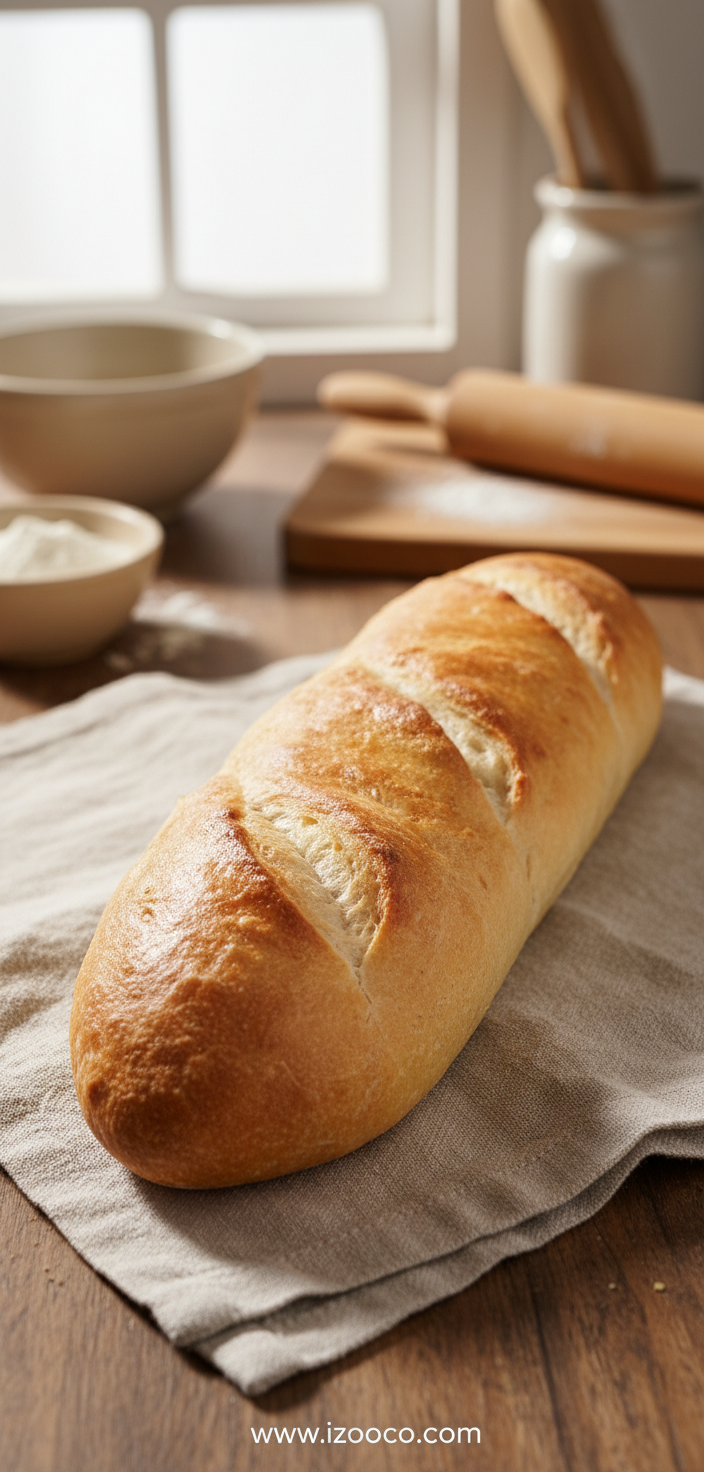
If you enjoy baking bread, you’ll find pizza dough making equally rewarding. The process teaches you about fermentation, gluten development, and temperature control – skills that translate beautifully to other baking projects. Speaking of bread, if you’re looking to expand your bread-making repertoire, our Greek Pita Bread Recipe offers another fantastic opportunity to practice your dough-handling skills.
Essential Ingredients for Perfect Pizza Dough
The beauty of pizza dough lies in its simplicity. You only need four basic ingredients, but choosing the right ones makes all the difference. Let’s break down what you’ll need and why each component matters.
- Flour: Bread flour is ideal for its higher protein content, which creates more gluten and gives your crust that perfect chew. All-purpose flour works too, but your crust will be slightly less chewy.
- Yeast: Active dry yeast is perfect for beginners. It’s reliable and forgiving. Instant yeast works faster but isn’t necessary for this recipe.
- Water: Temperature matters! Lukewarm water (around 110°F) activates the yeast without killing it.
- Salt: Enhances flavor and regulates yeast activity. Don’t skip it!

Step-by-Step Pizza Dough Preparation
Now let’s walk through the process step by step. Don’t worry if you’re new to baking – this recipe is designed to be foolproof. The key is patience and paying attention to the dough’s behavior rather than strict timing.
Activating the Yeast: Start by dissolving your yeast in warm water with a pinch of sugar. Wait about 5-10 minutes until it becomes frothy. This “proofing” step ensures your yeast is alive and active. If it doesn’t bubble, your yeast might be expired.
Mixing the Dough: Combine your flour and salt in a large bowl. Make a well in the center and pour in the yeast mixture. Using a wooden spoon or your hands, gradually incorporate the flour until a shaggy dough forms.
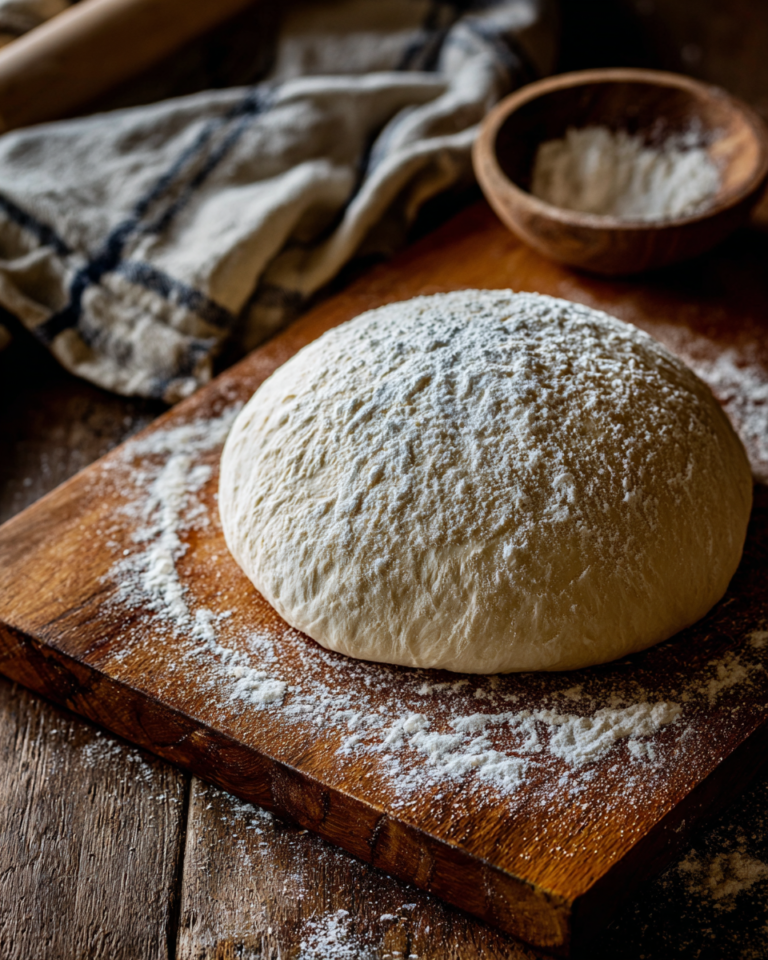
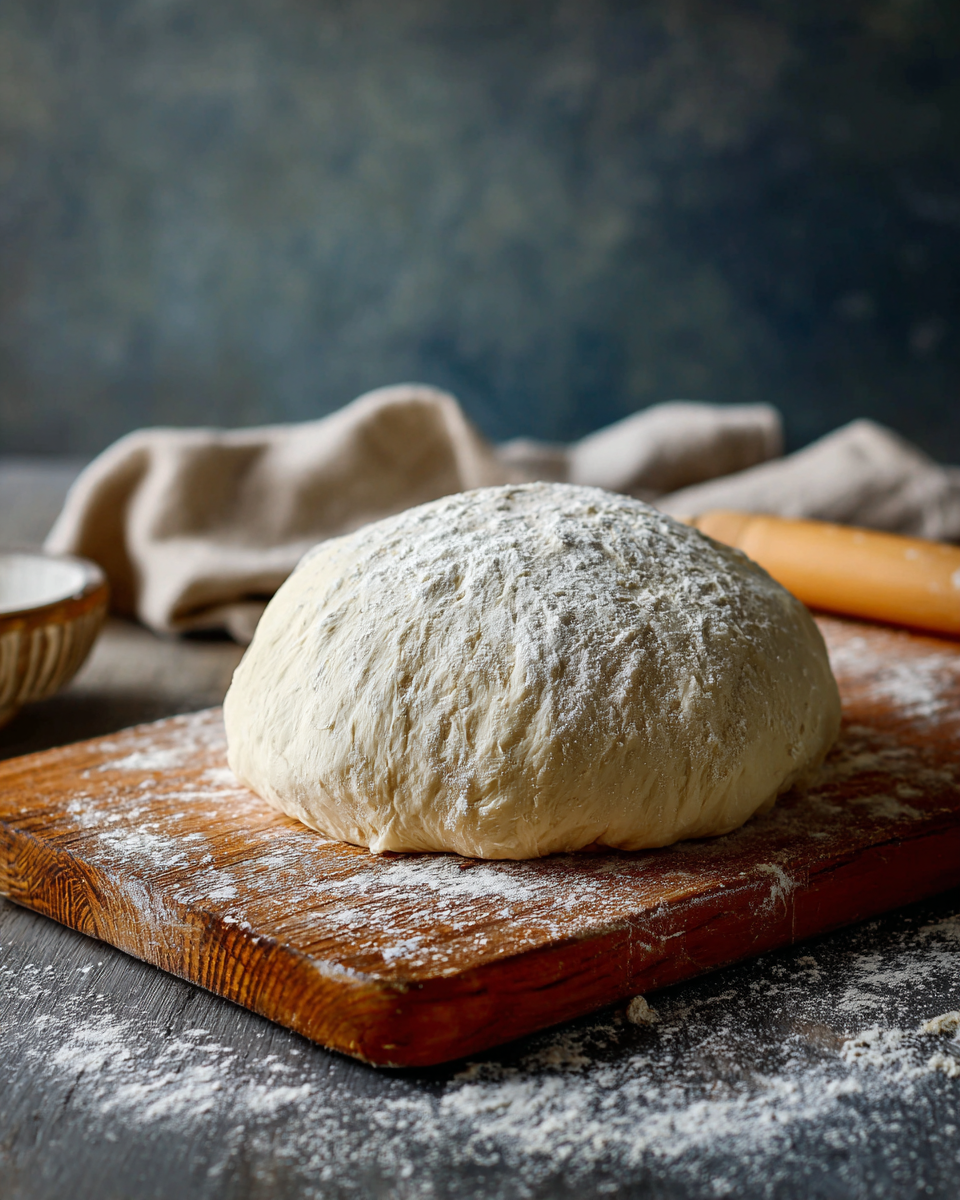
Kneading: This is where the magic happens. Turn your dough onto a floured surface and knead for 8-10 minutes. The dough should transform from sticky and shaggy to smooth and elastic. If you’re unsure about kneading techniques, our guide on how to make a crumb topping includes helpful dough-handling tips that apply here too.
The Importance of Proper Rising
Once kneaded, place your dough in a lightly oiled bowl, turning to coat all sides. Cover with a damp cloth and let it rise in a warm, draft-free spot. The rising time can vary from 1-2 hours depending on room temperature. The dough should double in size – this is non-negotiable for proper fermentation.
During this waiting period, why not prepare some complementary dishes? A Mediterranean Pasta Salad makes a wonderful side dish for pizza night, offering fresh flavors that balance the richness of the pizza.
Shaping and Baking Your Pizza
After the first rise, punch down the dough to release air bubbles. Divide it if making multiple pizzas, then let it rest for 10-15 minutes – this relaxes the gluten and makes shaping easier.
Shaping Techniques: Start by pressing the dough into a disc, then use your fingertips to push from the center outward. Avoid using a rolling pin if possible – hand-stretching creates those lovely irregular bubbles in the crust. Lift the dough and gently stretch it over your knuckles, rotating as you go.
Baking Tips: Preheat your oven with a pizza stone or baking steel if you have one. A hot surface is crucial for that crispy bottom crust. If using a baking sheet, preheat that too. Bake at the highest temperature your oven allows – typically 450-500°F.
Troubleshooting Common Pizza Dough Problems
Even with a great recipe, sometimes things don’t go as planned. Here are solutions to common issues beginners face.
Dough won’t rise: Check your yeast expiration date. The water might have been too hot (killing the yeast) or too cold (not activating it). Room temperature might be too cool – try placing the bowl in a warm spot like near the oven.
Dough is too sticky: Add flour 1 tablespoon at a time until manageable. Remember, a slightly sticky dough often creates the best texture.
Dough is too dry: Sprinkle water 1 teaspoon at a time until the dough comes together. The ideal dough should be slightly tacky but not stick to clean, dry hands.
Creative Variations and Serving Suggestions
Once you’ve mastered the basic recipe, the fun begins! Experiment with different flours, herbs mixed into the dough, or even whole wheat variations. This versatile dough also makes excellent breadsticks, calzones, or even focaccia.
For a complete Italian feast, pair your homemade pizza with other classic dishes. Our Best Chicken Parmesan Recipe would make an excellent main course if you’re hosting a dinner party with pizza as an appetizer.
Remember, making pizza dough is a skill that improves with practice. Your first attempt might not be perfect, but each time you make it, you’ll learn something new about the process. The satisfaction of serving homemade pizza to family and friends is worth every minute spent kneading and waiting.
So gather your ingredients, clear your countertop, and embrace the joyful process of creating something delicious from scratch. Your journey to pizza perfection starts with this simple, reliable recipe that promises to become a staple in your kitchen repertoire.
Easy Homemade Pizza Dough Recipe for Beginners
Ingredients
Equipment
Method
- Activate the yeast by dissolving it in warm water with a pinch of sugar. Wait 5-10 minutes until frothy.
- Combine flour and salt in a large bowl. Make a well in center and pour in yeast mixture.
- Gradually incorporate flour until a shaggy dough forms using a wooden spoon or hands.
- Knead dough on floured surface for 8-10 minutes until smooth and elastic.
- Place dough in lightly oiled bowl, cover with damp cloth, and let rise 1-2 hours until doubled in size.
- Punch down dough to release air bubbles and let rest 10-15 minutes.
- Shape dough by pressing into disc and stretching from center outward with fingertips.
- Bake on preheated surface (450-500°F) until crust is golden brown.